The conversation around AI has intensified again recently following the news from WPP. Large holding companies continue to announce significant investment in AI, automation and new technology capabilities. These announcements reinforce the sense that AI is rapidly becoming a fundamental part of how agencies will operate in the future.
However, if you look closely at what is actually happening inside most agencies, the picture is often more modest. There is certainly more discussion about AI than there was twelve months ago, and many teams are experimenting with tools or using them occasionally to assist with tasks such as note taking or drafting content. Yet in many cases AI adoption still sits at the level of experimentation rather than transformation.
The intention is there, but the operational structure required to make AI a meaningful part of how the agency works is often missing.
The gap between interest and implementation
Recently I came across an agency that had created a dedicated role focused entirely on AI and automation. This was not an informal initiative or a loose internal working group set up to explore possibilities. It was a clearly defined role with responsibility for identifying opportunities, testing tools and embedding new ways of working across the organisation.
That decision stood out because it recognised something that many agencies overlook when they begin talking about AI. Implementing AI inside an agency is not simply about encouraging experimentation. It requires leadership, coordination and accountability in the same way as any other operational initiative.
Without someone responsible for moving things forward, most AI initiatives lose momentum. Teams become busy with client work, initial experiments remain isolated, and the agency gradually returns to its existing ways of working. AI then becomes something people talk about rather than something that meaningfully changes how the business operates.
Why ownership is critical
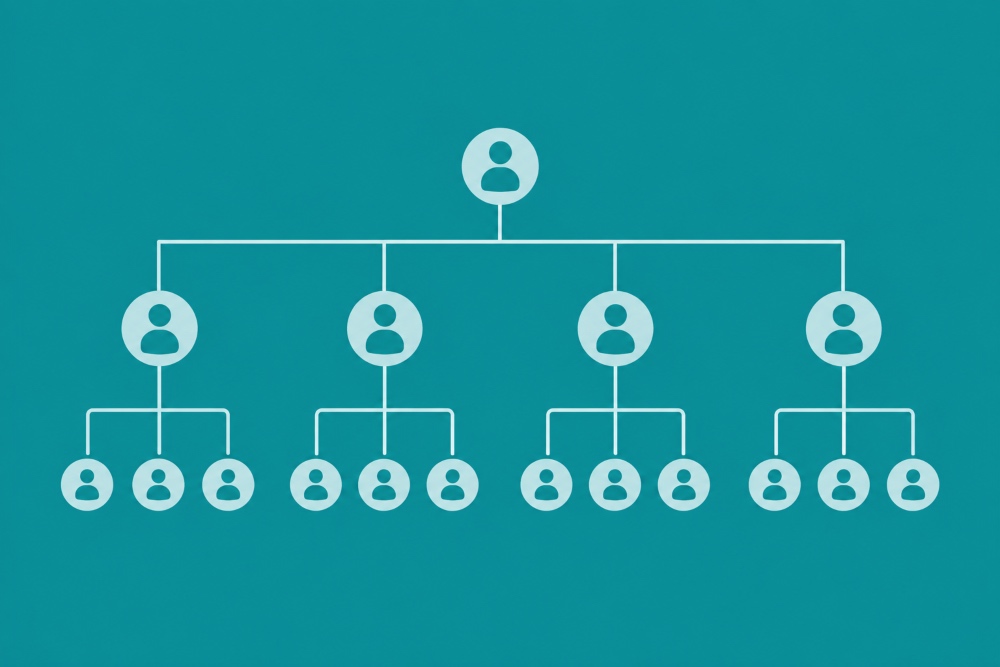
In operational terms, any meaningful change inside an agency usually requires several elements to be in place. There needs to be clear ownership, defined objectives, a realistic timeline and some way of measuring progress.
When these elements are missing, initiatives often remain vague. People agree that something is important, but no one is responsible for making it happen. Over time the initiative slowly fades as attention moves back to immediate client priorities.
AI initiatives are particularly vulnerable to this pattern because they cut across many parts of the agency. Automation can affect project management, reporting, finance, resourcing and delivery workflows. Introducing new tools also requires changes in behaviour, which means teams need guidance and coordination.
Someone therefore needs to take responsibility for identifying where AI can remove manual work, how information should move between systems, and where automation can improve the efficiency of everyday processes.
Where AI often delivers the greatest value
Interestingly, the most immediate opportunities for AI inside agencies are rarely in the areas people first imagine. Much of the public conversation around AI focuses on creative generation or content production. While those capabilities are important, the most practical gains for many agencies often appear within operational workflows.
Agencies spend considerable time manually updating systems, transferring information between tools, producing internal reports and chasing approvals. These tasks are necessary for the business to function, but they rarely contribute directly to the strategic value that agencies provide to their clients.
AI and automation can reduce a significant proportion of this operational workload. By streamlining these processes, agencies can free up time for higher value activities such as strategic thinking, creative development and client relationships. These are the areas where agencies genuinely differentiate themselves.
However, identifying and implementing these improvements rarely happens organically. It requires someone to review existing processes, identify where automation could be introduced, and coordinate the changes needed across the organisation.
The risk of treating AI as a side initiative
One of the most common patterns seen across agencies is treating AI as something that will be explored when time allows. Leadership teams recognise that AI is important, but the responsibility for progressing it often remains informal or unclear.
The problem is that agencies rarely have spare capacity. Client delivery takes priority, internal initiatives are pushed back, and the adoption of AI becomes something that is discussed occasionally rather than implemented in a structured way.
Over time this creates a gap between intention and reality. Leadership teams say they want to use AI more effectively, but operationally very little changes. The organisation continues to run in largely the same way.
Assigning ownership helps close that gap. It creates focus, accountability and momentum. When someone is responsible for moving the initiative forward, experimentation begins to turn into practical improvements.
Turning intention into operational change
AI will not transform an agency simply because leadership teams say they intend to use it. Technology alone rarely changes how an organisation operates.
Real change happens when someone is responsible for identifying opportunities, running pilot projects and embedding new practices across the business. In many agencies this does not require a large programme or a specialist department. Often it simply means giving one person clear responsibility for exploring where AI and automation can make the biggest operational difference.
When that happens, AI stops being an abstract concept and becomes a practical initiative with direction and momentum.
As with many aspects of agency operations, the principle is simple. Intent matters, but ownership and execution matter even more.
For agencies planning to implement AI this year, the most important question may not be which tools to adopt first.
It may simply be this - who actually owns it?